Baile / Blag / Nuacht Tionscal / Cad a Bhaineann Teas? Próiseas, Modhanna, agus Uirlisiú Mínithe go Cleachtais


Iarr Athfhriotail
Próiseas cónasctha is ea cruachadh teasa a úsáideann teas agus brú rialaithe chun gné phlaisteach, bos nó cuaille múnlaithe de ghnáth, a athmhúnlú ina ceann foirmithe a chlampálann comhpháirt eile in áit. Nothing is glued and nothing is screwed down: the plastic itself becomes the fastener. The boss softens, flows into the shape of the tool, and then cools into a rivet-like head that mechanically locks the assembly together. Because the joint is formed from the part, the result is permanent and free of loose hardware.
You will also see the process described as thermal staking, thermal riveting, or hot staking. Taispeánann sé cibé áit a gcaithfidh tithíocht phlaisteach cuir isteach miotail, bord ciorcad priontáilte, lúibín, críochfort, nó fo-thionól beag a shealbhú nach mór nach dtiocfaidh sé as a chéile i seirbhís. The idea is simple, but the details of heat, force, and cooling are what separate a clean joint from a cracked one.
A typical cycle follows a predictable sequence, and every step matters:
De ghnáth suíonn na teochtaí díreach os cionn raon bogtha nó trasdulta gloine an ábhair: te go leor chun go sreabhann an polaiméir, fionnuar go leor chun é a dhíghrádú a sheachaint. Most cycles finish in a few seconds, which is why the process automates so well. Time, temperature, and force are the three variables that decide whether the head forms fully or the boss cracks under stress.
Several variants exist, and they differ mainly in how heat reaches the plastic and how much of the surrounding part gets warmed along with it.
| Modh | Conas a shroicheann teas an plaisteach | Timthriall tipiciúil | De ghnáth a roghnaítear le haghaidh |
|---|---|---|---|
| Aer te (comhiompar) | Tá aer téite séidte thar an boss | Níos moille de na roghanna coitianta | Large or multiple posts where a tool cannot easily make contact |
| Stampa te / punch teagmhála | Téann barr téite i dteagmháil leis an boss go díreach | Go tapa | High-volume lines that need a consistent head shape |
| Teirmid pulsed | A probe delivers a controlled heat pulse with quick cool-down | Go tapa, tightly controlled | Ballaí tanaí agus comhpháirteanna teocht-íogair |
| Geallta ultrasonaic | High-frequency vibration creates heat by friction at the joint | Go tapaest | Small posts, tight spaces, low thermal load on nearby parts |
| Infridhearg neamhtheagmhála | Radiant energy softens the boss without touching it | Measartha | Parts with cosmetic surfaces that a hot tool would mark |
Contact staking covers the majority of everyday work because it is fast and repeatable. Téigh go dtí an t-aer te nuair a dhéanann céimseata teagmháil awkward, agus déan machnamh ultrasonaic nó infridhearg nuair nach féidir leis na codanna timpeall an chomhpháirteacha mórán teasa a fhulaingt. The deciding factors are almost always part geometry, cycle time, and how much thermal load the assembly can absorb.
The two processes look similar on the factory floor, because both end with a formed plastic head. Is é an difríocht ná an áit a dtagann an teas. In heat staking, an external tool raises the temperature of the boss until the plastic softens. I ngeall ultrasonaic, creathadh adharc ag 20 go 40 kHz, agus gineann an frithchuimilt idir an boss creathadh agus an chuid os a chionn teas díreach ag an gcomhéadan, mar sin fanann an fuinneamh áitiúil agus is ar éigean a théann an plaisteach máguaird suas.
Sin é an fáth go mbíonn buaite ag cuaillí ultrasonaic go minic ar chuaillí beaga, ar ghnéithe a bhfuil spásáil eatarthu go dlúth, agus ar thionóil le leictreonaic teas-íogair in aice láimhe. Tá amanna rothaíochta níos giorra, níl aon uirlis te le fuarú idir strokes, agus is féidir an trealamh céanna a athrú de ghnáth chun táthú nó cuir isteach tríd an adharc a athrú. Is é an comhbhabhtáil ná go bhfuil níos mó tábhachta ag baint le dearadh uirlisí: ní mór céimseata adharca, aimplitiúid, tacaíocht daingneáin, agus feistiú an pháirte a bheith ceart, agus is féidir le ballaí tanaí nó le droch-thacaíocht a bheith briste má dhéantar an socrú a luascadh.
Go praiticiúil, déanann an chuid is mó de phlandaí an dá cheann. Heat staking handles large bosses and awkward shapes, while ultrasonic equipment takes the small, fast, high-volume work. If you are weighing the two, it helps to review the ideal materials and practical limitations of ultrasonic welding sula dtiomantas do phróiseas.
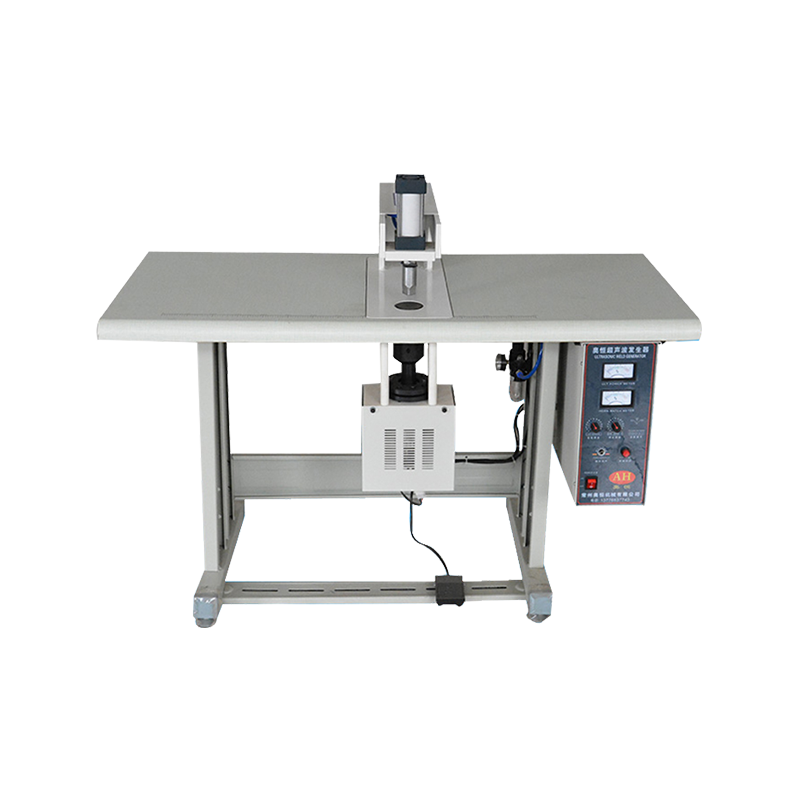
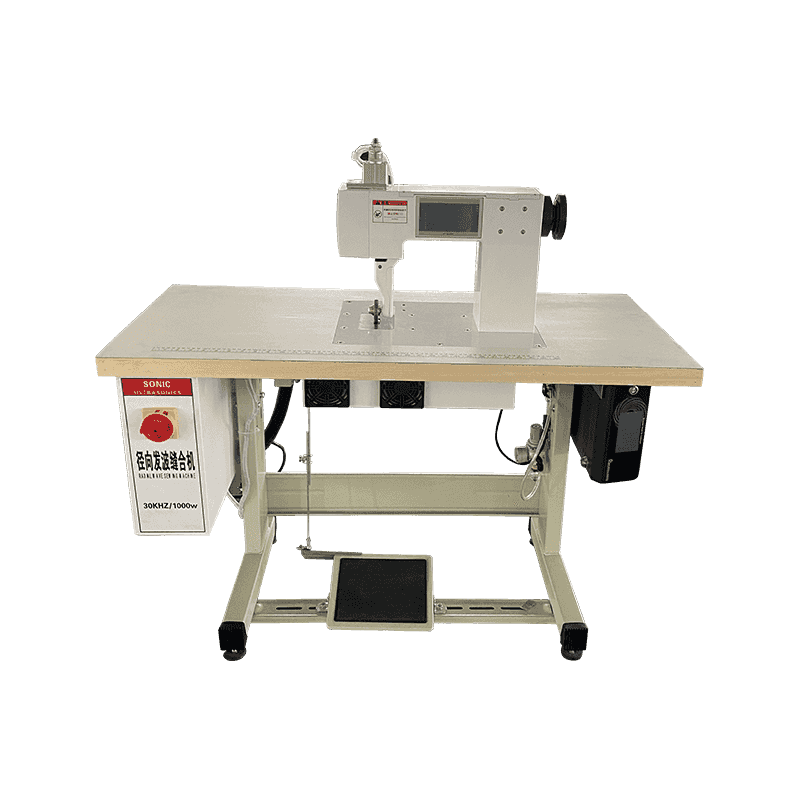
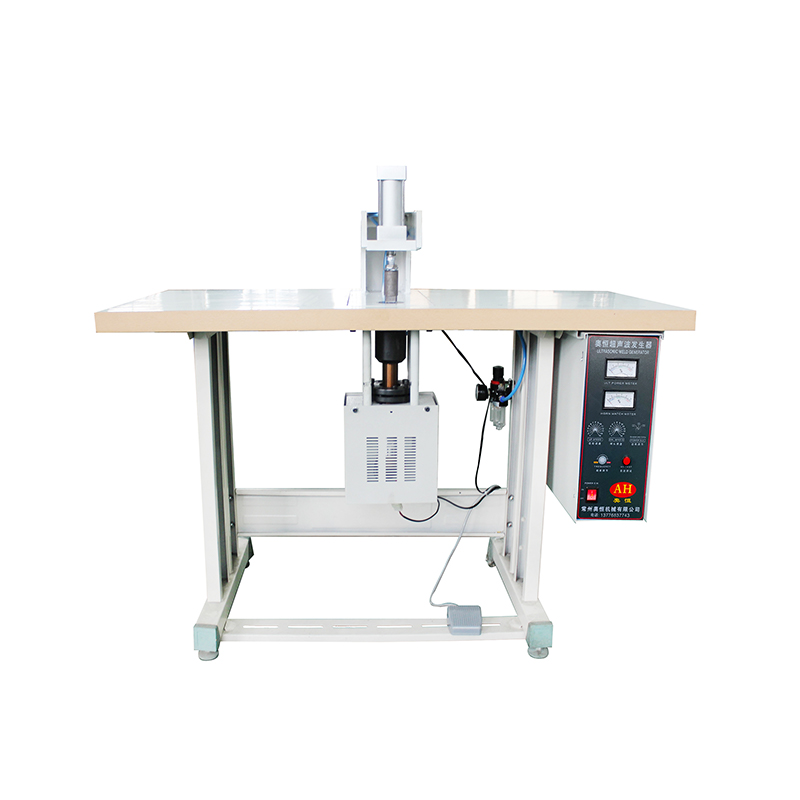 AH-50Q Ultrasonic Spot Welding Machine for Nonwoven and Plastic Bonding Semi-automatic ultrasonic spot welder for nonwoven and plastic bonding, including bags and masks; foot pedal control, adjustable width, no preheating. Féach Táirge →
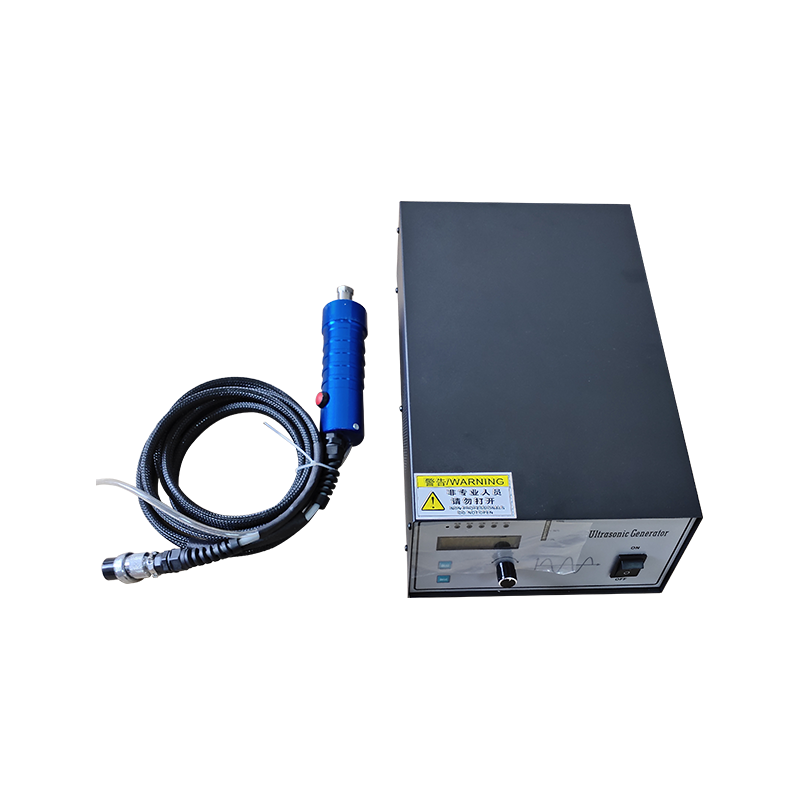
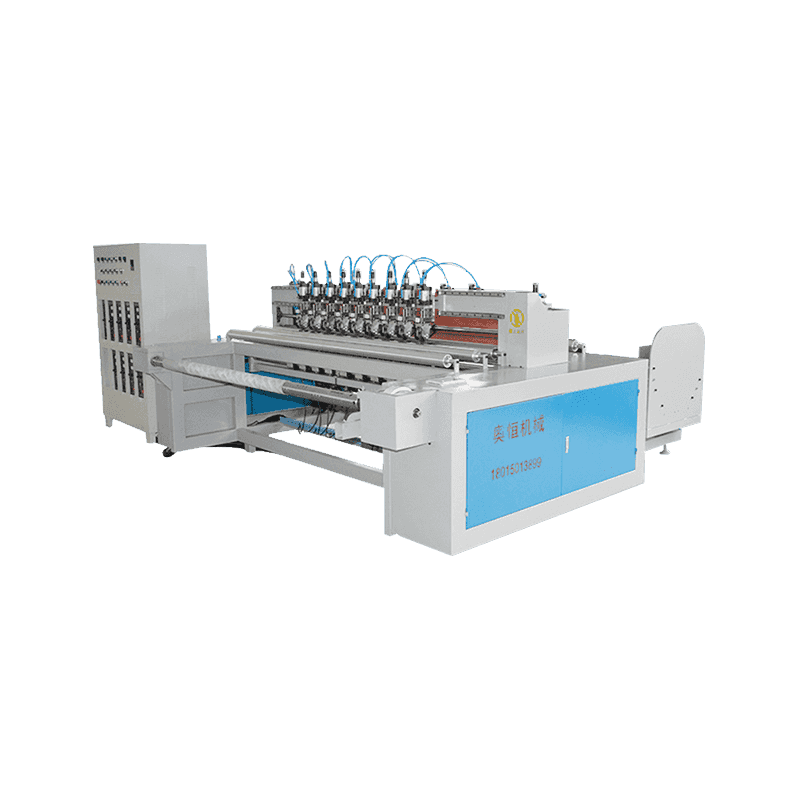
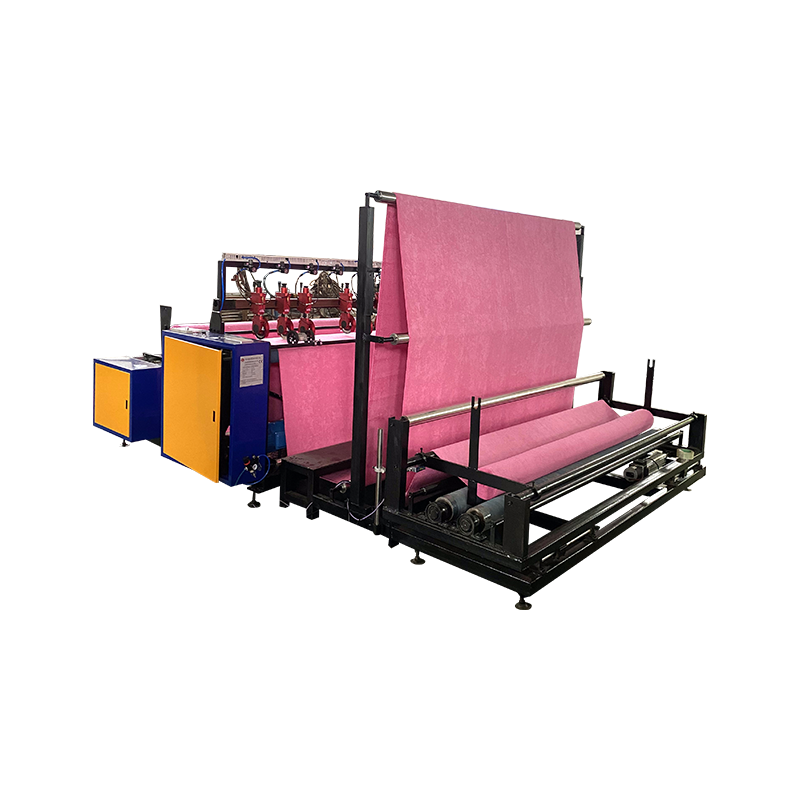
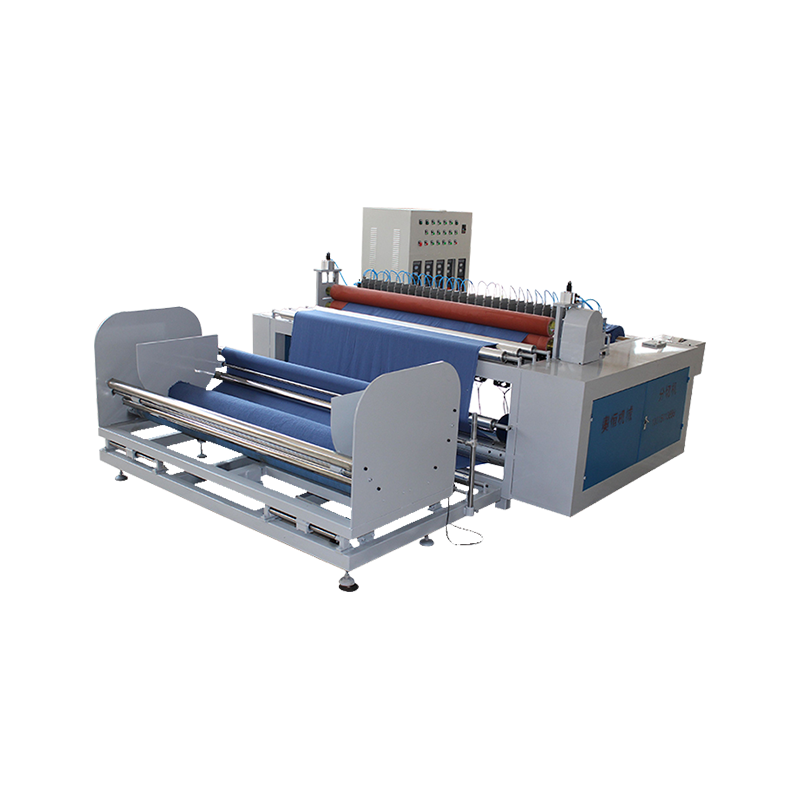
 Heat staking is a rigid-plastics process, but many of the same factories also run ultrasonic equipment on soft goods. Is minic gur cuid den slabhra táirgthe céanna iad líne neamhfhite a shéalaíonn agus a ghearrann fabraic, gléasra teicstíle a chuiltíonn stuáil, agus ceardlann a dhéanann cásálacha plaisteacha, agus is é sin an fáth go gceannaítear agus go gcoinnítear an dá theicneolaíocht le chéile go minic. Tógann muid an dá chineál meaisín, ó ghearradh fabraice agus córais chuilteála go welders ultrasonaic, agus tá na ceisteanna a chuirtear orainn beagnach i gcónaí faoi na bunghnéithe céanna: rialú teasa, riocht uirlisí, agus tacaíocht pháirteach. Is féidir leat an raon iomlán de táthú ultrasonaic agus trealamh gearrtha déanaimid monarú do na hiarratais seo.
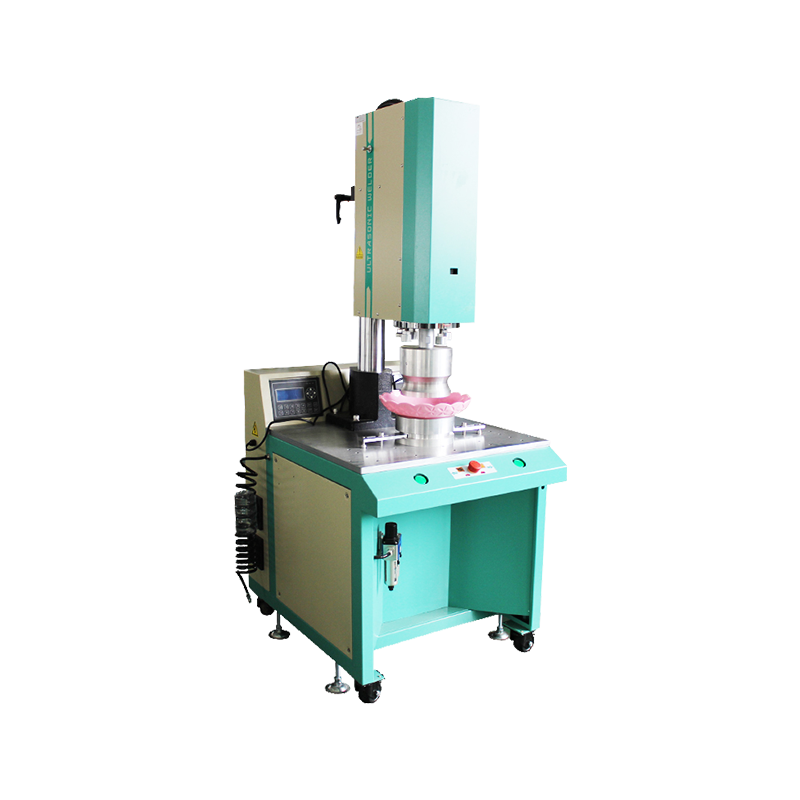
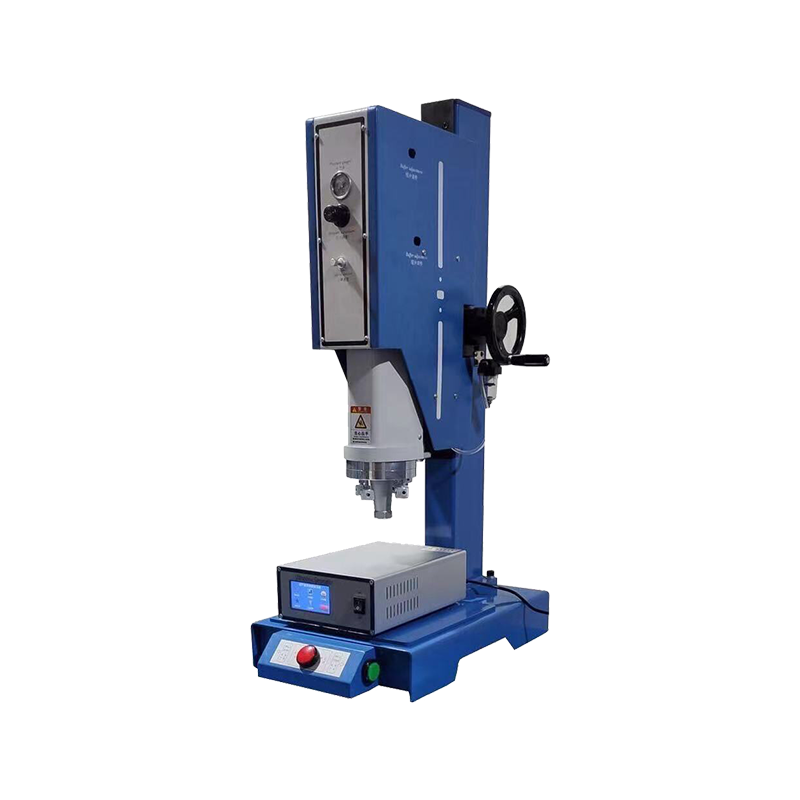
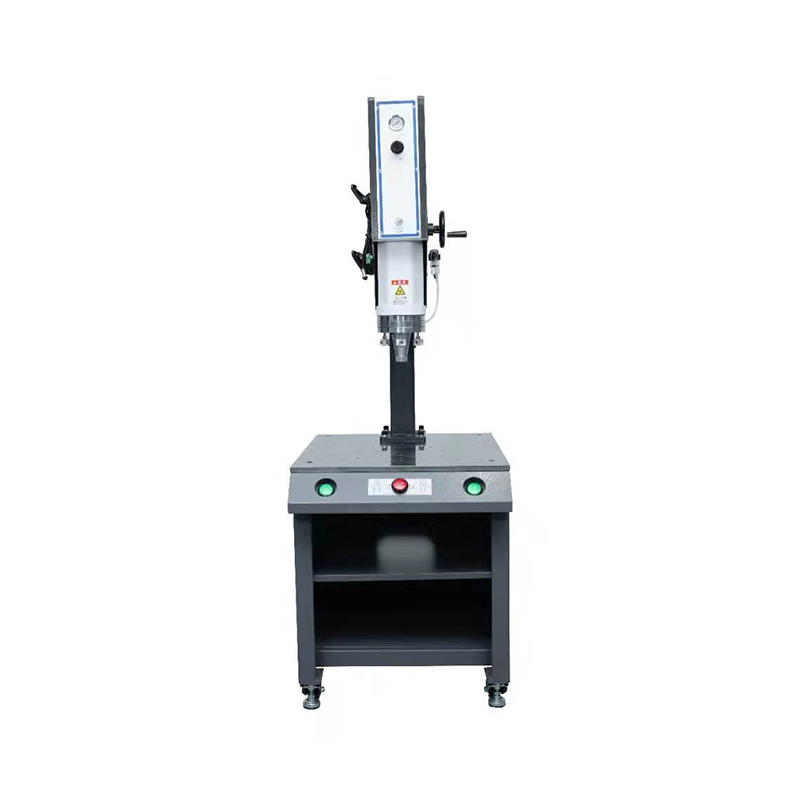 AH-DSL 15KHz 4200W Ultrasonic Plastic Welding Machine Táthaire ultrasonaic aeroibrithe le haghaidh teirmeaplaisteacha agus neamh-fhite, le rianú minicíocht dhigiteach, leibhéal múnla inchoigeartaithe agus spás, agus tús sábháilteachta dúbailte-cnaipe. Féach Táirge →
 Most staking failures are designed in long before the machine is switched on. A few geometry habits prevent the majority of them:
When a joint has to survive vibration or repeated temperature swings, these proportions matter more than the machine settings. Getting the boss right is cheaper than adding a metal fastener later.
The tool is the part of a heat staking system that decides what the finished head looks like. Its tip profile controls how the softened plastic spreads, and its material and thermal mass determine how quickly it recovers between cycles. Táirgeann leideanna caite nó éillithe cinn neamhréireach i bhfad sula dteipeann orthu go hiomlán, mar sin íocann gnáthamh iniúchta simplí agus sraith spártha leideanna dóibh féin go tapa.
On the machine side, look for closed-loop control of temperature, dwell, and force rather than open-loop timers. Multi-point heads let one stroke stake several posts at once, and rotary tables or walk-in fixtures keep loading and staking time overlapping. Tá an disciplín uirlisithe mórán mar a chéile le adharca ultrasonaic agus múnlaí saincheaptha, áit a gcaithfidh an phróifíl an t-alt a mheaitseáil go díreach chun toradh glan in-athdhéanta a fháil. That is the work we do every day, and it is why we keep both ultrasonic and heat-based tooling in the same conversation.
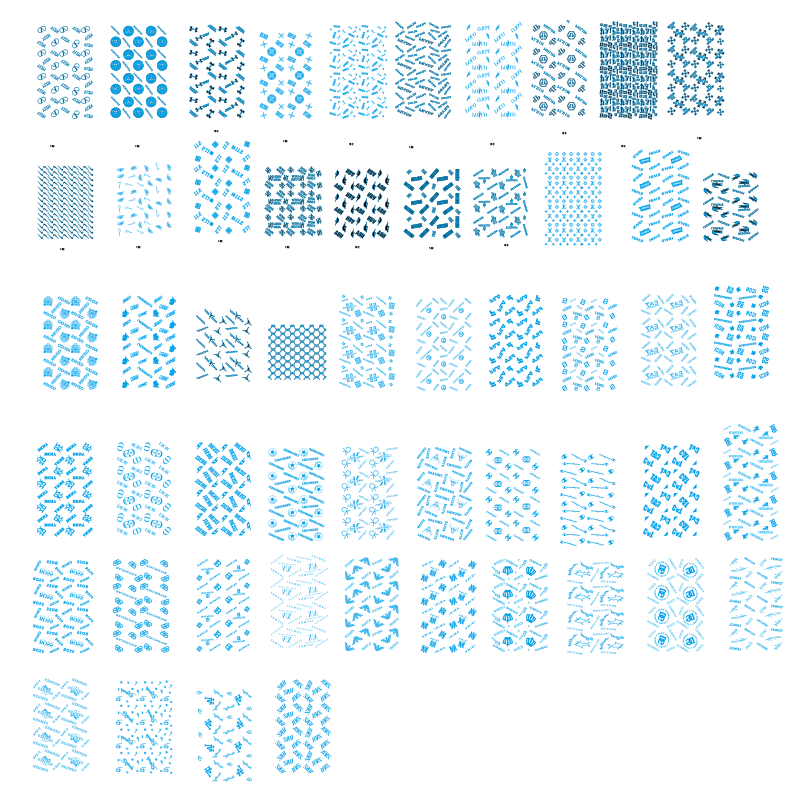 Custom Ultrasonic Molds for Welding, Cutting, and Sealing High-precision steel molds for ultrasonic welding, cutting, and sealing; customizable design and size to match joint profiles for repeatable results. Féach Táirge →
 When a staked joint goes wrong, the symptom usually points straight at the cause:
Má dhéantar trí na socruithe seo ag an am, seachas roinnt socruithe a athrú ag an am céanna, coinnítear an próiseas intuartha agus déanann sé i bhfad níos éasca an chéad socrú eile a dhiailiú isteach.
Heat staking remains one of the simplest ways to join plastic parts permanently, and that simplicity is exactly why the small details matter. Boss geometry, tool condition, and control of heat and force decide whether the joint holds for years or fails in the field. Má tá tionól nua á phleanáil agat nó má tá fabhtcheartaithe agat ar cheann atá ann cheana féin, tá an pointe tosaigh úsáideach i gcónaí mar an gcéanna: tuig an t-ábhar, meas ar chomhréireanna an boss, agus tabhair timthriall cobhsaí, in-athdhéanta don uirlis le bheith ag obair leis.

Copyright © ChangZhou AoHeng Machinery Co., Ltd. All Rights Reserved